When to replace brake caliper pistons is a crucial question for vehicle owners. Brake calipers play a key role in the braking system, and their pistons must function optimally. Over time, wear and tear can lead to decreased performance. This impacts both safety and driving experience.
Signs of malfunction include uneven braking and a spongy pedal feel. Drivers might notice unusual noises or fluid leaks. These issues signal it's time for inspection. Understanding when to replace brake caliper pistons can prevent more serious problems down the line.
Regular maintenance is essential. However, many drivers overlook the importance of brake components. This oversight can lead to costly repairs and unsafe driving conditions. By staying informed, vehicle owners can ensure their brakes perform reliably. Therefore, knowing when to replace brake caliper pistons is fundamental for optimal vehicle performance.
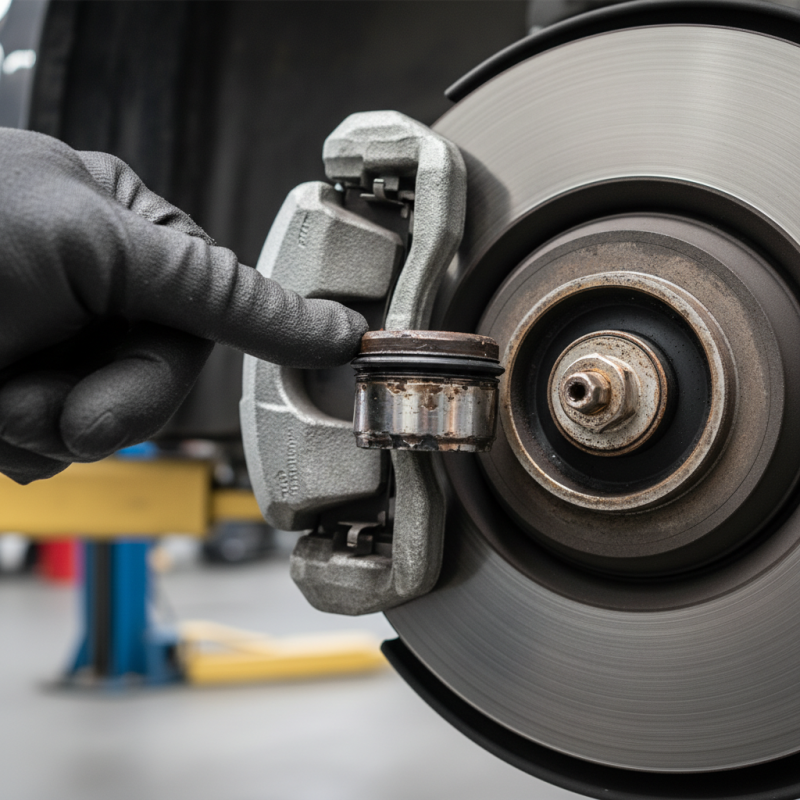
Brake caliper pistons are crucial components in vehicle braking systems. They directly influence the performance and safety of stopping distances. Understanding their functionality can help drivers maintain optimal brake performance. When a driver presses the brake pedal, hydraulic fluid travels through the system, activating the pistons. This action presses the brake pads against the rotors, effectively slowing down the vehicle.
Research indicates that approximately 25% of vehicle braking issues stem from malfunctioning caliper pistons. A damaged piston can lead to uneven braking, noise, and increased wear on brake pads. Over time, corrosion or dirt accumulation can impair the piston's movement. This may result in reduced responsiveness and longer stopping distances. Regular inspection and maintenance can help mitigate these risks.
Drivers should pay attention to specific signs indicating piston wear. If the brake pedal feels soft or if there is fluid leakage around the calipers, these are red flags. According to automotive experts, replacing caliper pistons every 75,000 miles or when noticeable wear occurs is advisable. This practice ensures that the braking system operates at peak efficiency and enhances vehicular safety.
Brake caliper pistons play a critical role in the vehicle's braking system. Recognizing the signs that indicate a need for replacement is essential for maintaining optimal braking performance. One common sign is uneven wear on brake pads. If one side wears significantly faster than the other, it may signal a malfunctioning caliper piston. Studies have shown that approximately 30% of brake problems stem from issues with calipers, illustrating the importance of addressing this component.
Another clear indication is a noticeable decrease in braking power. Drivers may also experience a spongy brake pedal feel. This can suggest air trapped in the lines or fluid leaks, potentially linked to faulty pistons. According to industry reports, nearly 20% of brake-related accidents could be prevented with timely caliper maintenance. Regular inspections are critical, especially as vehicles age.
Physical signs such as fluid leakage around the brake calipers can also indicate a failing piston. This not only affects braking efficiency but also increases the risk of complete brake failure. The National Highway Traffic Safety Administration has reported that improper maintenance contributes to a significant percentage of auto accidents. Addressing these signs promptly can save drivers from costly repairs and enhance road safety.
This chart illustrates the key signs indicating when to replace brake caliper pistons for optimal performance. Regular monitoring of these signs can help maintain vehicle safety and efficiency.
Inspecting brake caliper pistons is essential for vehicle safety. Look for obvious signs of damage. Check for leaks around the piston. A damaged piston can lead to reduced braking efficiency. Inspect any rust or corrosion. These issues may indicate that a replacement is necessary.
Another step is to examine the piston movement. Pull the brake pedal and see if the pistons retract properly. If they stick, it’s time for a closer look. Use a flashlight to see into the caliper. Look for uneven wear or any scratches. These can signal underlying problems.
Don’t overlook the brake fluid condition. Contaminated fluid can cause piston issues. If it looks dark or murky, consider a flush. Regular maintenance is vital. Keep an eye on these components to ensure safe driving. Remember that neglect can lead to bigger problems. Always prioritize safety to avoid costly repairs in the future.
Brake caliper pistons play a crucial role in your vehicle's braking system. Their lifespan can be affected by several factors. Environmental conditions are significant. Frequent exposure to moisture and salt can lead to corrosion. This corrosion can weaken the pistons over time. Additionally, high temperatures from excessive braking can cause wear and tear on the pistons.
Driving style also greatly influences their longevity. Aggressive driving habits can result in more rapid degradation. On the other hand, smooth driving tends to prolong the life of brake components. Regular maintenance is essential. Inspecting the brake system can help catch issues early. However, many drivers overlook this aspect. A common mistake is ignoring signs of brake fade or unusual noises.
Another factor is the quality of brake fluid. Over time, brake fluid can absorb moisture, leading to internal corrosion. This can compromise piston performance. Using the correct type of fluid is crucial for optimal function. Many neglect to check these details until it's too late. Understanding these factors can optimize performance and ensure safety on the road.
Brake caliper pistons play a crucial role in ensuring optimal brake performance and vehicle safety. Regular monitoring and timely replacement can significantly influence a vehicle's stopping power. According to the Institute of Transportation Engineers, ineffective braking accounts for nearly 30% of road accidents. This statistic underscores the importance of maintaining your brake system, particularly the caliper pistons.
When caliper pistons wear down, they can lead to uneven brake pad wear, causing a decline in braking efficiency. A study by the Society of Automotive Engineers highlights that worn pistons can increase stopping distances by an alarming 20%. This delay can be critical in emergency situations. Ensuring a timely replacement of caliper pistons not only enhances performance but also safeguards against potential accidents caused by brake failure.
It's important to address signs of wear early, such as uneven brake pad wear or brake fluid leaks. Ignoring these signs can lead to further complications, including damage to the braking system itself. Regular inspections are recommended, as they can help identify piston problems before they escalate. Investing in preventive maintenance can ultimately lead to safer driving experiences and prolonged vehicle lifespan.
: Look for uneven brake pad wear, decreased braking power, and a spongy brake pedal feel.
A spongy pedal can suggest trapped air or fluid leaks often linked to faulty pistons.
Inspect for fluid leakage, rust, and corrosion around the pistons that might indicate damage.
Check for leaks, examine piston movement, and look for uneven wear or scratches using a flashlight.
Contaminated fluid may cause piston issues, reducing braking efficiency and safety.
Yes, aggressive driving accelerates wear, while smooth driving generally prolongs component life.
Regular checks can catch issues early, preventing costly repairs and enhancing safety.
Moisture and salt exposure can cause corrosion, weakening the pistons over time.
Poor-quality fluid absorbs moisture, leading to internal corrosion that compromises pistons.
Many ignore signs of brake fade and unusual noises until serious problems arise.
Brake caliper pistons play a crucial role in the braking system by ensuring effective clamping of the brake pads against the rotor. Knowing when to replace brake caliper pistons is essential for maintaining optimal braking performance and safety. Signs that indicate the need for replacement include fluid leaks, uneven brake pad wear, or a decrease in braking efficiency. Regularly inspecting the pistons for damage can help catch issues early, extending their lifespan.
Factors influencing the lifespan of brake caliper pistons include the quality of materials, driving conditions, and maintenance practices. Timely replacement not only enhances brake performance but also contributes to overall vehicle safety. Addressing potential failures before they escalate can prevent more serious and costly issues down the line, making it imperative for vehicle owners to stay informed about when to replace brake caliper pistons.

Zizel Auto