Top 10 Reasons Why Is My Brake Caliper Leaking Fluid

Time:2026-05-11 Author:Isabella
0%

When dealing with vehicle maintenance, one common issue is noticing fluid around the brake caliper. An expert in automotive repair, John Carter, stresses, "Brake fluid leaks can compromise safety." Many drivers wonder, "Why is my brake caliper leaking fluid?" This question is vital for understanding and addressing potential risks.

A leaking brake caliper can indicate several issues. It might stem from wear and tear, damaged seals, or corroded components. The brake system relies on hydraulic pressure. Any leak can drastically affect performance and safety. Ignoring this warning can lead to dangerous situations on the road.

Most leaks start small. However, without prompt attention, they can worsen significantly. Regular checks of your brake system can prevent costly repairs. Understanding the mechanics behind your vehicle can empower drivers. Knowing when to seek professional help is crucial for ensuring safety.
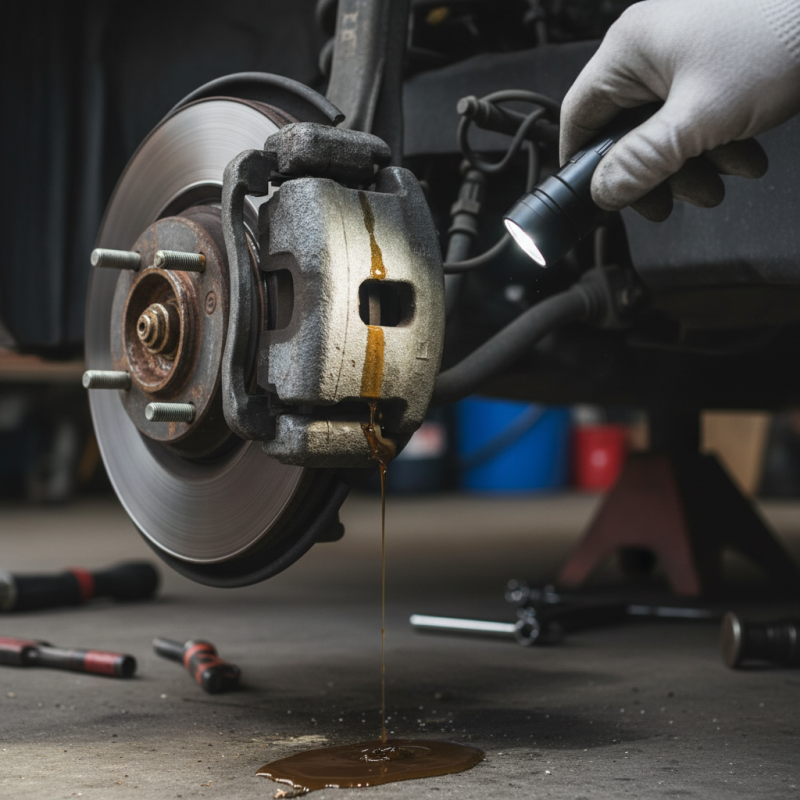
Top 10 Reasons Why Is My Brake Caliper Leaking Fluid

Common Causes of Brake Caliper Fluid Leaks in Vehicles

Brake caliper fluid leaks are common and can compromise vehicle safety. One major cause of these leaks is worn seals. Over time, seals can deteriorate due to heat and exposure to brake fluid. Materials used in seals can lose their elasticity and become brittle. According to industry reports, about 30% of brake caliper failures stem from seal issues.

Another contributing factor is rust or corrosion. Corrosion often occurs on caliper pistons and mounting brackets. This can happen from moisture exposure or salt on roads. A corrosion study highlighted that almost 40% of caliper replacements are due to this issue. It is critical to regularly inspect your braking system to avoid severe damage.

Additionally, improper installation can lead to leaks. If a caliper is not mounted correctly, it may create gaps for fluid to escape. Mechanics advise thorough inspection during installation to ensure a proper fit. Regular maintenance is essential for safety. If you notice fluid on your wheels, act quickly. Addressing leaks promptly can prevent larger, more costly repairs.

Top 10 Reasons Why Is My Brake Caliper Leaking Fluid

Reason Description Symptoms
Worn Out Seals The rubber seals in the caliper can degrade over time, leading to leaks. Fluid loss, spongy brake pedal feel.
Corrosion Rust can form on the caliper if exposed to moisture, affecting seals and components. Leaking fluid and visible rust on caliper.
Physical Damage Accidents or road debris can cause cracks or breaks in the caliper. Fluid pooling under the vehicle.
Overheating Continuous high temperatures can lead to fluid expansion and leaks. Burning smell, decreased braking performance.
Improper Installation Incorrectly installed calipers can lead to misalignment and leaks. Audible noise during braking, fluid leaks.
Faulty Brake Lines Damaged or corroded brake lines can lead to fluid leaks affecting calipers. Brake warning light, fluid under vehicle.
Contaminated Fluid Moisture or dirt in brake fluid can damage seals and cause leaks. Poor braking response, strange pedal feel.
Excessive Wear on Pads Worn brake pads can lead to increased pressure on calipers and seals. Grinding noise, vibration in brakes.
Brake Fluid Age Old brake fluid can become acidic and deteriorate seals. Visibility of fluid degradation, pedal issues.

Symptoms Indicating a Leaking Brake Caliper

A leaking brake caliper can lead to serious issues. Drivers should pay attention to certain warning signs. Brake fluid pooling under the vehicle is one of the most noticeable symptoms. This can create a safety hazard. Delayed braking response can be alarming as well. If you feel the brake pedal sink unexpectedly, this may indicate a hydraulic issue.

Strange noises can also hint at problems. Grinding or squeaking sounds may come from the brake system. Vibrations during braking can signal uneven wear or fluid leakage. Additionally, a spongy brake pedal can make it hard to stop smoothly. This sensation is often unsettling for drivers. If you notice these signs, inspecting the caliper is critical.

Ice-cold weather can exacerbate these issues. Fluid may leak more easily when temperatures drop. Regular inspections are crucial for safety. Ignoring a leaky caliper can lead to brake failure. Feelings of unease should not be brushed aside. Prioritizing brake maintenance is essential for safe driving.

Impact of Leaking Brake Fluid on Vehicle Safety and Performance

Leaking brake fluid is a serious issue that impacts vehicle safety. When brake fluid leaks, the hydraulic system fails to function properly. Drivers may experience a soft or spongy brake pedal. This can result in longer stopping distances. Reduced braking efficiency leads to hazardous situations on the road.

The consequences of low brake fluid are dire. Without sufficient fluid, the brake calipers cannot apply the necessary pressure. This can cause the brakes to overheat and wear down faster. Friction increases, leading to potential brake failure. Ignoring a leak can be costly, making regular inspections critical.

Vehicle safety should be a top priority. A leaking caliper may seem minor, but it signals more extensive problems. Observing unusual spots under your vehicle can save lives. It’s essential to address leaks promptly and seek professional advice. Doing so ensures that your vehicle performs safely on the road.

Maintenance Tips to Prevent Brake Caliper Fluid Leaks

Brake caliper fluid leaks can be a serious concern for vehicle safety. To prevent such leaks, regular maintenance is essential. Check the brake fluid level frequently. If it is low, inspect the entire brake system for any visible leaks. Pay special attention to the calipers, hoses, and connections. Clean any dirt or grime around these areas to ensure you can spot leaks promptly.

Another important tip is to replace worn-out brake pads in a timely manner. Worn pads can cause the caliper to work harder, leading to wear and tear. Regularly inspect the brake components for signs of corrosion or damage. Use a brake system cleaner to eliminate any contaminants. This helps the caliper function smoothly. Don't forget to monitor brake performance. Unusual sounds or decreased responsiveness could indicate underlying issues.

When it comes to brake fluid, use the correct type recommended for your vehicle. Using the wrong fluid can cause damage to seals and increase the risk of leaks. While it may seem minor, these details matter significantly. Ensuring your brakes are in top condition is no small task. Yet, neglecting small issues can lead to bigger problems. Taking time for routine inspections can save you from a costly repair down the road.

Top 10 Reasons Why Is My Brake Caliper Leaking Fluid

Industry Standards for Brake Caliper Inspection and Replacement

Inspection and replacement of brake calipers are crucial for vehicle safety. When examining a brake caliper, look for signs of fluid leaks. A small seepage can grow into a bigger problem. Always check the seals and hoses for wear or damage. A thorough inspection should include the entire braking system, not just the calipers. This ensures that all components function correctly together.

Replacement of a leaking brake caliper is necessary to maintain safe braking performance. Follow industry standards for replacement. Use quality parts that meet specifications. Installing a new caliper without addressing underlying issues might lead to recurring problems. Regular maintenance can prevent unexpected failures. Fluid leaks can compromise braking efficiency and put drivers at risk.

Documentation is essential during inspections. Record findings and maintain a maintenance history. This can help in identifying patterns that need attention. Awareness of these details can contribute to safer driving experiences. Reflecting on maintenance routines may reveal overlooked aspects. Think about how small issues, like a leak, might evolve if ignored.

FAQS

: What causes brake caliper fluid leaks?

: Worn seals, rust, corrosion, and improper installation often lead to brake caliper fluid leaks.

How do worn seals contribute to leaks?

Seals can deteriorate due to heat and brake fluid exposure, losing elasticity and becoming brittle over time.

What role does corrosion play?

Corrosion, especially on caliper pistons, occurs from moisture or road salt, causing about 40% of caliper replacements.

Why is regular maintenance important?

Regular maintenance helps identify issues early, preventing severe damage and costly repairs related to brake fluid leaks.

How can I detect a brake fluid leak?

Check for fluid around wheels and inspect the brake system frequently, especially calipers and connections.

What should I do if I notice low brake fluid?

Inspect the entire braking system for visible leaks, and clean areas around calipers to spot problems easily.

Why should I replace worn brake pads?

Worn pads force the caliper to work harder, increasing wear and possibly leading to fluid leaks.

What type of brake fluid should I use?

Always use the correct type of brake fluid as recommended for your vehicle to avoid damaging seals.

How can contaminants affect brake performance?

Dirt and grime can hinder caliper function. Regular cleaning helps ensure smooth operation and performance.

What should I monitor in brake performance?

Pay attention to unusual sounds or decreased responsiveness; these may signal underlying issues requiring immediate attention.

Conclusion

Understanding "Why is my brake caliper leaking fluid" is crucial for maintaining vehicle safety and performance. Common causes of brake caliper fluid leaks include worn seals, corrosion, or damage to the caliper itself. Symptoms often manifest as a decrease in braking pressure, visible fluid on the wheels, or a soft brake pedal, all of which indicate potential issues that should be addressed promptly.

The impact of leaking brake fluid can be severe, compromising the vehicle's braking system and increasing the risk of accidents. Regular maintenance is essential to prevent these leaks; inspecting seals, calipers, and fluid levels can help ensure optimal performance. Adhering to industry standards for brake caliper inspection and replacement further contributes to vehicle safety, ultimately providing peace of mind for drivers.

Isabella

Isabella

Isabella is a dedicated marketing professional with a sharp focus on driving brand growth and engagement through strategic content creation. With an extensive background in digital marketing, she combines her passion for storytelling with her keen understanding of industry trends to deliver......